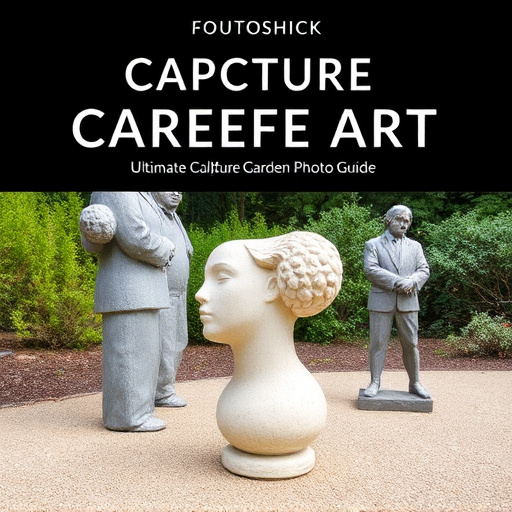
Choose Minnesota sculpture gardens for photography based on aesthetics, ambiance, and unique character. Utilize diverse perspectives, textures, and lighting to capture unique angles. The Sculpture Garden offers iconic landmarks, natural beauty, and timeless photos. Plan visits during soft light (early morning/late afternoon) and off-peak times for optimal compositions. Highlight contrasting elements, natural depth, historical significance, and emotion in carefree village life photographs.
In today’s visual age, capturing memorable moments through photography has become an integral part of our travel experiences. Among the many attractions sought by tourists and locals alike, sculpture gardens offer a unique blend of artistic expression and natural beauty, creating idyllic settings for captivating photo ops. This article delves into the art of discovering hidden gems within these outdoor exhibits, providing insights on what to look for and where to find them in carefree, naturally inspiring environments. By the end, readers will be equipped with the knowledge to create lasting memories through stunning visual storytelling.
- Choosing the Perfect Sculpture Garden for Photo Ops
- Capturing Unique Angles: What to Look For
- Natural Backdrops: Leveraging the Outdoor Setting
- Iconic Sculptures: Recognizable Pieces for Shareable Moments
- Timing Your Visit: Best Times for Light and Crowds
- Tips for Creative Composition in Sculpture Gardens
Choosing the Perfect Sculpture Garden for Photo Ops

Choosing the perfect sculpture garden for photo ops involves a delicate balance between aesthetics, ambiance, and the unique characteristics of each location. For instance, consider the carefree village landmarks that dot many Minnesota landscapes – these offer rich visual backgrounds that capture both the spirit of the community and artistic expression. The Nyberg Sculpture Park in Vining, for example, showcases local culture through rustic farm equipment sculptures, providing a nostalgic and charming backdrop for memorable photos. Similarly, the Minnesota Goose Garden in Sandstone is a quirky roadside attraction filled with colorful goose statues, offering fun, whimsical settings that stand out against the prairie landscape.
When seeking carefree naturally created art for photo ops, it’s essential to consider the overall atmosphere of the garden. Western Sculpture Park in St. Paul blends bold, colorful pieces with neighborhood green spaces, creating a dynamic and accessible environment. This blend allows visitors to capture both artistic and natural elements, making each photograph unique. On the other hand, more formal gardens like the Nyberg Sculpture Park offer a sense of tranquility and cultural storytelling, ideal for capturing introspective and thoughtful moments.
Another critical aspect is understanding how the sculptures interact with their surroundings. The Western Sculpture Park encourages visitors to engage with art in everyday spaces, allowing for organic photo opportunities amidst carefree village landmarks. In contrast, the Minnesota Goose Garden’s eclectic mix of sculptures among trees and cacti creates surreal yet captivating visuals. No matter your preference, choosing a sculpture garden that aligns with your desired mood and aesthetic ensures you’ll see – and capture – something truly special.
Capturing Unique Angles: What to Look For

Capturing unique angles in a sculpture garden is an art in itself, offering opportunities to create memorable and striking photographs. Beyond simply framing sculptures head-on, experienced photographers know that exploring different perspectives can turn the ordinary into the extraordinary. Look for elements like shadows cast by intricate carvings or reflected light off polished surfaces—these subtle details can add depth and dimension to your images.
The carefree village landmarks scattered throughout many sculpture gardens provide a rich canvas for creative composition. Consider shooting from below, capturing the towering figures against a clear blue sky, or experimenting with bird’s-eye views that show the interplay of sculptures with their surroundings. For instance, a local favorite might be an image of a serene statue set against a vibrant, blooming tree—the natural beauty harmonizes with the artistic expression, creating a captivating contrast.
When seeking what to see in carefree naturally, pay attention to the unique character of each sculpture and its relationship with the environment. Experiment with angles that highlight textures, play with perspectives that distort shapes, or capture moments where light and shadow create dramatic effects. Remember, the best shots often come from unconventional positions—laying on the ground, climbing a nearby structure, or even dangling from a branch (if safe to do so). These daring approaches can yield unique, eye-catching photographs that truly showcase both the art and carefree spirit of these natural gathering places.
Data suggests that photographers who take time to explore different viewpoints and embrace creative composition often produce more engaging and shareable content. By documenting the carefree village landmarks in novel ways, you not only create stunning visual stories but also contribute to the ongoing artistic dialogue surrounding these public spaces.
Natural Backdrops: Leveraging the Outdoor Setting
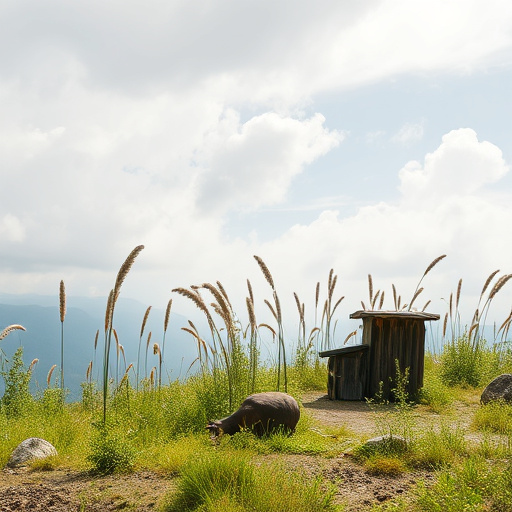
The Sculpture Garden offers an unparalleled opportunity for creative photography amidst a captivating outdoor setting. One of its standout features is the seamless integration of art with nature, providing an array of picturesque backdrops that are truly unique and enchanting. Visitors can leverage the garden’s natural beauty to capture stunning images that tell stories of carefree village life and iconic landmarks.
Among the many highlights, the ancient trees that stand as sentinels over the garden offer a serene and mystical backdrop for portraits and landscapes. Imagine capturing a candid shot of a loved one against the gnarled branches of a centuries-old oak, or framing a panoramic view of the village with its historic architecture reflected in the tranquil pond. The organic curves of the sculptures themselves also serve as natural frames, inviting guests to explore creative compositions that play with perspectives and light.
For those seeking iconic landmarks within the carefree setting, the garden’s central fountain and winding pathways provide ample opportunities. A photograph of a child splashing happily near the fountain, surrounded by vibrant blooms, could perfectly capture the essence of a carefree summer day. Similarly, capturing the reflection of colorful sculptures in the pond or against the backdrop of distant village spires creates dramatic and memorable images. By embracing the natural elements, visitors can create timeless photographs that not only showcase their artistic side but also preserve precious memories of their time in this enchanting Sculpture Garden.
Iconic Sculptures: Recognizable Pieces for Shareable Moments

The Sculpture Garden offers an enchanting blend of art and nature, providing what to see in a carefree setting for visitors seeking memorable photo ops. Among the iconic sculptures that adorn this vibrant space, certain pieces stand out as perfect subjects for shareable moments. These recognizable works not only captivate the eye but also invite visitors to immerse themselves in the artistic atmosphere, creating carefree village landmarks within the garden’s serene embrace.
Consider the graceful “Kiss” by Kissing Gate, a beloved sculpture that has become synonymous with romantic moments and whimsical memories. Its metal figures entwined in a passionate embrace create a timeless scene, inspiring visitors to capture the essence of their own connections amidst the lush greenery. Similarly, “The Thinker” by Auguste Rodin, while not originally intended as a garden piece, has found its place among the trees, offering contemplative photo opportunities that encourage introspection and personal reflection. These iconic sculptures serve as natural focal points, allowing visitors to create meaningful visual narratives against the backdrop of the carefree village ambiance.
For those seeking more contemporary pieces, the Sculpture Garden does not disappoint. “Cloud Gate” by Anish Kapoor, also known as “The Bean,” has become an instantly recognizable landmark within the garden and a top photo destination. Its reflective surface and unique shape create surreal visual effects, offering visitors endless creative possibilities. Additionally, the garden’s open-air design encourages exploration, with hidden gems like “Bird in Flight” by Louise Nevelson waiting to be discovered. These contemporary sculptures not only provide visually stunning backdrops but also encourage visitors to embrace the carefree spirit of the garden, creating lasting memories without effort.
Timing Your Visit: Best Times for Light and Crowds
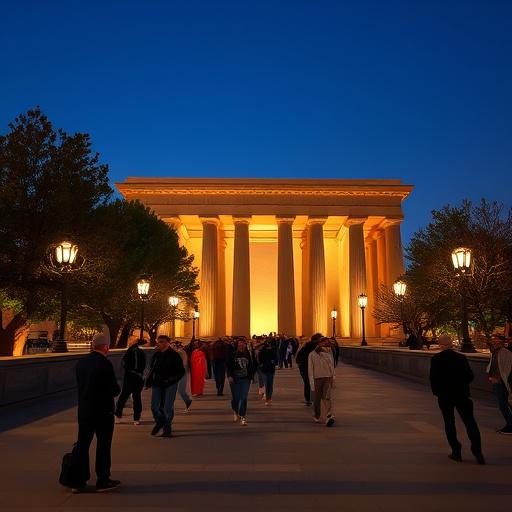
Planning your visit to the Sculpture Garden ensures you capture the essence of this urban oasis at its most picturesque. Timing is key when it comes to both lighting conditions and crowd levels, allowing for those perfect photo ops amidst the carefree village landmarks that define this space. The best time to visit is during the early morning or late afternoon hours, especially in the spring and fall seasons when sunlight is softer and more diffused. This reduces harsh shadows, creating a more flattering backdrop for your photographs.
Crowd levels are typically lowest just after opening or right before closing time. During these periods, you’ll have more space to move around freely, allowing for creative compositions with less interference from fellow visitors. However, it’s essential to note that weekends and holiday seasons attract larger crowds, which can be manageable if you arrive early or plan to explore during less popular times of the day. The Sculpture Garden offers a peaceful escape from bustling city life, so being mindful of these timings ensures you experience its tranquil beauty while capturing memorable images.
For instance, capturing the intricate details of sculptures against the golden hour light—just before sunset—can add a dramatic touch to your carefree naturally themed photographs. Similarly, early morning sunlight bathes the garden in a soft, warm glow, enhancing the textures and contours of the various artworks, including the iconic village landmarks scattered throughout. By understanding these lighting nuances and planning accordingly, visitors can create a portfolio of stunning images that do justice to the Sculpture Garden’s unique character.
Tips for Creative Composition in Sculpture Gardens
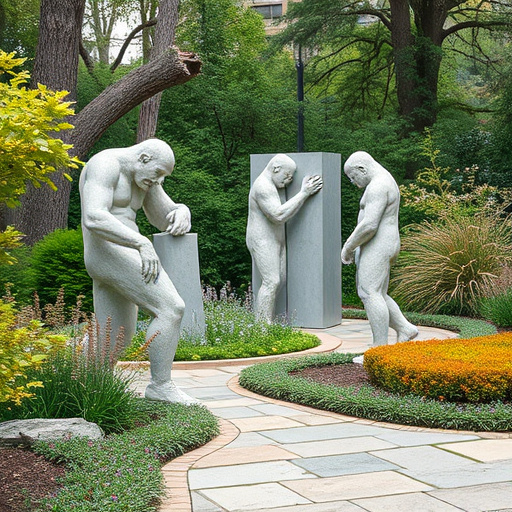
In the serene embrace of a sculpture garden, every nook and cranny offers a unique canvas for creative composition. When capturing the essence of these artistic havens, whether for personal enjoyment or professional purposes, paying attention to detail and embracing the natural environment is paramount. Imagine yourself wandering through a carefree village, where each statue and landmark tells a story—a narrative waiting to be framed.
Start by identifying contrasting elements: the rigid lines of metal sculptures against the fluid movement of greenery, or the stark white marble against vibrant wildflowers. These juxtapositions can create dynamic visual interest. For instance, positioning yourself at eye level with a towering piece while framing it with a cascade of leaves or vines can produce striking results. The natural elements become your allies, adding depth and context to your shots. In many sculpture gardens, such as those found in renowned public spaces, you’ll discover iconic landmarks—carefree village symbols that have stood the test of time. Incorporating these into your compositions not only captures the essence of the space but also adds a layer of historical significance.
Experiment with angles and perspectives to avoid cliché views. Get down low or ascend to a higher vantage point to see the sculptures from unexpected angles. A bird’s-eye view, for example, can transform a static figure into an abstract composition of lines and shapes. Similarly, macro lenses can bring out the intricate details of carvings, revealing what to see in the carefree textures and patterns that sculptors meticulously craft. Remember, sculpture gardens are not just about the art; they are also about the atmosphere. Capture the essence of carefree village life—the interplay of light and shadow, the whispering winds through leaves, and the tranquility that comes with immersing oneself in nature’s gallery. These elements will lend depth and emotion to your photographs, making them more than mere images—they become windows into a serene world.