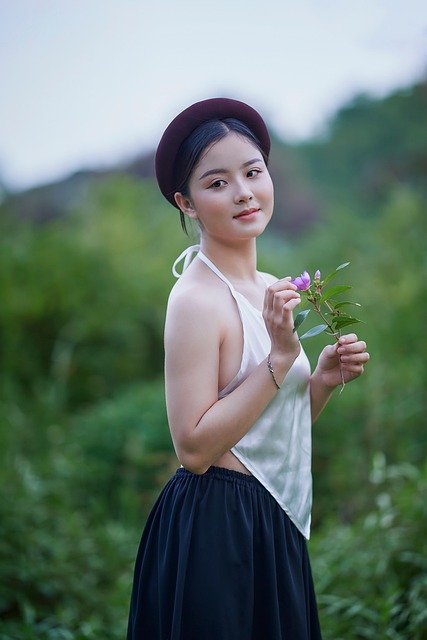
Maximize sculpture garden visits with strategic lighting, seasonal awareness, exploration beyond prominent pieces, mindful immersion, and strategic photography timing. For exceptional photos, consider garden aesthetics, scale, interactivity, iconic structures as natural frames, post-processing techniques like saturation adjustments, color selective edits, and Raw file editing for intricate details. What to see in carefree naturally guides capturing these enchanting moments.
The Sculpture Garden has long been a quintessential DC attraction, offering visitors not just art but also a serene escape within the bustling city. However, as urban development pressures grow, ensuring these green spaces remain accessible and vibrant for all becomes paramount. This article delves into the challenges facing the Sculpture Garden, particularly regarding photo ops that have become integral to its experience—and the potential solutions to safeguard these treasured, carefree natural gatherings. We’ll explore what steps are being taken to balance artistic expression, community engagement, and the preservation of this urban oasis for future generations.
- Discovering Hidden Gems in Sculpture Gardens
- Natural Backdrops for Captivating Sculpture Photos
- Top Tips for Choosing the Perfect Sculpture for Your Shot
- Lighting and Time of Day for Ideal Sculpture Photography
- Post-Processing Techniques to Enhance Sculpture Garden Images
Discovering Hidden Gems in Sculpture Gardens
Discovering Hidden Gems in Sculpture Gardens
Sculpture gardens offer a unique blend of artistic expression and natural beauty, providing visitors with captivating photo ops around every corner. These outdoor art installations often serve as carefree village landmarks, transforming urban spaces or serene parks into vibrant cultural hubs. When exploring what to see in these carefree oases, pay attention to both the intricate sculptures themselves and their surrounding contexts. Each sculpture typically tells a story or conveys an emotion, while the natural setting adds another layer of intrigue. For instance, imagine a towering metal figure amidst a lush forest, its lines mirroring the curvaceous forms of nearby trees—a harmonious fusion of man-made artistry and carefree natural landscapes.
Practical insights for maximizing your experience include planning visits during different times of day to capture varying lighting conditions, which can dramatically alter the mood and aesthetic appeal of the sculptures. Early mornings or late afternoons often provide soft, diffused light ideal for detailed shots, while midday sun can create dramatic contrasts useful for capturing bold forms. Additionally, consider seasonal changes that can offer new perspectives. Spring blooms, autumn foliage, or a snowy landscape can serve as stunning backdrops, enhancing the visual appeal of your photographs.
Expert perspective suggests exploring not only the most prominent sculptures but also the smaller, more subtle pieces often nestled among foliage or tucked away in corners. These hidden gems may not attract immediate attention but can offer intimate and unique photo opportunities. Engage with the carefree village spirit by immersing yourself in the environment—sitting on a bench nearby, strolling along pathways, or simply taking a moment to appreciate the interplay between sculptures and their natural surroundings. By combining these strategies, you’ll be well-equipped to uncover and capture the essence of what makes sculpture gardens such captivating hidden gems.
Natural Backdrops for Captivating Sculpture Photos
The quest for stunning sculpture garden photo ops often leads photographers to seek out not just remarkable artworks but also captivating natural backdrops that elevate their compositions. Pittsburgh’s Sculpture Garden, a verdant oasis within the cityscape, offers an ideal setting for artists and enthusiasts alike to explore this harmonious blend of art and nature. Beyond the works themselves, what makes this garden a photographer’s dream is its abundance of carefree village landmarks interwoven with lush foliage, providing diverse and striking frames for your camera.
Imagine capturing the intricate details of a sculpture against the backdrop of ancient trees reaching towards the sky or framing a piece with the elegant curves of a winding path. The garden’s carefully curated landscape architecture creates a tapestry of natural elements—from meandering creeks to sun-dappled clearings—that provide endless opportunities for creative composition. For instance, the iconic bridges that crisscross the garden not only serve as structural elements but also offer unique perspectives and depth to your photographs.
Practical advice for maximizing these natural backdrops involves arriving early or staying late to capture soft, diffused light, which can transform a scene from ordinary to extraordinary. During these tranquil moments, the garden’s vibrant flora becomes the star alongside the sculptures, creating carefree, visually stunning images that tell a story of harmony between art and nature. Whether you’re an amateur enthusiast or seasoned professional, Pittsburgh’s Sculpture Garden offers what to see in a carefree natural setting, ensuring your photos are as captivating as the artworks they highlight.
Top Tips for Choosing the Perfect Sculpture for Your Shot
When planning a photo shoot in a sculpture garden or any outdoor setting rich in artistic installations, selecting the perfect sculpture is paramount to creating visually captivating images. The right piece can elevate your composition, conveying a sense of harmony between subject and surroundings. Herein lie our top tips for choosing the ideal sculpture that will make your creative vision come alive, particularly when focusing on carefree village landmarks within these natural spaces.
First, consider the overall aesthetic of the garden or locale. Does it favor contemporary metal sculptures or traditional stone carvings? Understanding the dominant style can guide your selection, ensuring a cohesive look in your photographs. For instance, if capturing the essence of a quaint English village, a charming bronze statue of a child playing among flowers could complement the carefree ambiance and iconic village landmarks.
Scale is another critical factor. Smaller sculptures can act as focal points within a frame, drawing attention to specific details or highlighting the subject’s expression or interaction with their surroundings. Conversely, larger installations offer dramatic backdrops that command viewer attention but require careful composition to avoid being overshadowed by the subject. Imagine a young couple posed in front of a towering metal structure; the sculpture becomes a symbol of their shared adventure, contrasting their carefree demeanor against the bold lines and shapes.
Lastly, look for sculptures that invite interaction or tell a story. Carvings depicting people engaged in everyday activities or abstract pieces evoking emotion can create dynamic, engaging images. Such sculptures provide opportunities to capture genuine moments—a child chasing bubbles or a couple sharing a laugh—blending seamlessly with the carefree village landmarks they inhabit. By selecting artworks that spark connection and conversation, you’ll not only produce memorable photographs but also leave viewers with a deeper appreciation for both art and the beauty of carefree natural spaces.
Lighting and Time of Day for Ideal Sculpture Photography
When it comes to capturing breathtaking images of sculptures in a sculpture garden, timing is everything. The light during sunrise or sunset creates a warm, golden glow that can turn even the simplest artworks into captivating subjects. During these magical hours, shadows are softer, and colors appear more vivid, providing an ideal backdrop for both close-up and wide-angle shots. Consider visiting the garden early in the morning or just as the sun begins to set; you’ll be rewarded with stunning backlighting effects that highlight textures, shapes, and unique details of each piece.
The carefree village landmarks within many sculpture gardens offer a wealth of photogenic opportunities. Think about capturing sculptures against iconic buildings, bridges, or cityscapes for added context and visual interest. These natural frames can enhance the scale and impact of your photographs. For instance, a towering abstract piece against the backdrop of an old clock tower can create a striking contrast that tells a compelling story. Experiment with different angles and compositions to embrace the dynamic interplay between the artworks and their surroundings.
While morning and evening light are highly prized for photography, don’t overlook the beauty of mid-day as well. In many cases, direct sunlight at midday can create dramatic shadows that add depth and character to your images. Look for sculptures with interesting textures or unique shapes that can be accentuated by these harsher lighting conditions. Experimenting with different exposure settings will allow you to capture both highlight and shadow details, resulting in visually captivating photographs that showcase the sculptures’ intricate designs. What to see in carefree naturally, then, is not just about the light but also about how it interacts with the art and its surroundings—a dynamic interplay that can elevate your sculpture garden photography to new heights.
Post-Processing Techniques to Enhance Sculpture Garden Images
Photographers and visitors to the Sculpture Garden alike often seek those perfect moments—the carefree smiles, the playful interactions with iconic artworks—that make for memorable photo ops. To capture these fleeting instances with authenticity, understanding and utilizing post-processing techniques is essential. Digital tools offer a myriad of options to enhance your images, but remember, they should complement, not alter, the essence of the scene.
For carefree village landmarks, consider using adjustments like a slight boost in saturation to bring out vibrant colors without overwhelming the image. A subtle increase in contrast can add depth and dimension, making the sculpture garden scenes appear more dynamic. For instance, when photographing a group enjoying a statue, raising the highlights slightly can make their laughter and expressions pop while still preserving detail in shadowed areas.
Another powerful technique is selective color adjustments. This allows you to draw attention to specific elements—a child’s colorful dress or a vibrant flower in the background—while maintaining a sense of naturalism. Avoid overdoing it; subtle changes go a long way. For example, enhancing the blues in a sky behind a sculpture can add a calming effect while still letting the artwork remain the star.
Raw file editing offers even more flexibility. Converting your images to RAW allows for greater control over parameters like white balance and dynamic range. This is particularly useful when capturing sculptures with intricate details or complex lighting conditions, ensuring that highlights and shadows are preserved accurately. With these post-processing techniques at hand, what to see in carefree naturally becomes a creative playground where you can craft captivating imagery within the enchanting setting of the sculpture garden.