
Planning a festival season involves identifying carefree events that align with your interests, researching diverse options, and strategically preparing both mentally and logistically. Embrace spontaneity, pack appropriately, and celebrate community through these unique experiences. Carefree events foster authentic connections, promote positive social change, and cultivate shared purpose, leaving lasting memories and positive impacts on communities.
Festival season is a vibrant pulse of our communities, offering carefree events that naturally bring people together, fostering connection, and celebrating diverse cultures. However, navigating the sea of options can be overwhelming for both organizers and attendees. This comprehensive guide addresses the challenges by providing an authoritative dataset of upcoming festivals, meticulously categorized by type, location, and date. Our aim is to empower both participants and planners, ensuring that every festival experience is enriching, enjoyable, and stress-free. Rely on this resource to discover carefree events naturally, making the most of your community’s vibrant offerings throughout the year.
- Planning Your Festival Season: Steps & Tips
- Finding the Right Fit: Carefree Events for All
- Organizer's Guide: From Concept to Success
- Community Impact: Festivals and Their Legacies
Planning Your Festival Season: Steps & Tips
Planning Your Festival Season: Steps & Tips
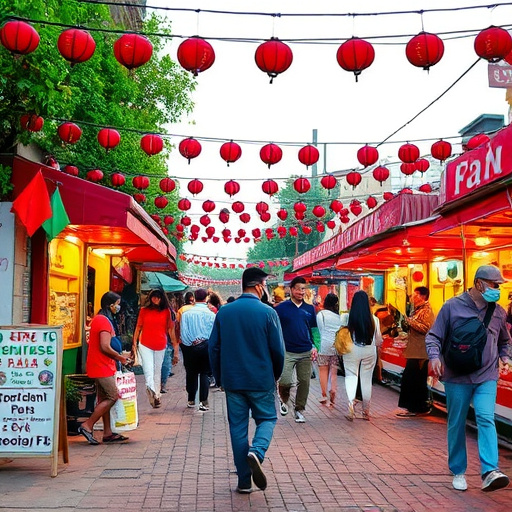
Festival season is a time for celebration, connection, and carefree events that naturally bring communities together. As the calendar pages turn, many of us begin to anticipate the vibrant tapestry of colors, sounds, and experiences that festivals offer. However, navigating the festival planning process can be overwhelming. From choosing the right events to packing strategically, preparing for this season requires thoughtful consideration.
Start by identifying your priorities. Are you seeking cultural immersion through music and art, or do you prefer intimate gatherings focused on specific interests? Researching different festival types—from sprawling musical extravaganzas to boutique food fests—is crucial. Websites like Eventbrite and Fest365 offer extensive listings, allowing you to filter events based on genre, location, and date. This ensures you find carefree boutique events aligned with your preferences without the hassle of sifting through countless listings.
Once you’ve curated a list of potential festivals, delve deeper into each event’s details. Consider logistics like travel arrangements, accommodation options, and accessibility features. Websites often provide comprehensive information, including maps and transportation recommendations. Booking accommodations early is essential, especially for popular festivals where options can fill up swiftly. Many festival-goers opt for camping, offering a unique experience that blends communal joy with personal freedom.
Beyond logistical planning, prepare mentally and emotionally. Festivals are about embracing spontaneity, so leave room in your itinerary for unplanned moments. Pack smartly, considering weather conditions and the event’s theme. Layerable clothing is often ideal, allowing you to adapt to varying temperatures throughout the day. Don’t forget essentials like a reusable water bottle, comfortable shoes, and sun protection. Festival mode also encourages self-expression, so feel free to dress for the occasion while staying true to your personal style.
Finding the Right Fit: Carefree Events for All

Festival season is a vibrant tapestry of cultural expression, music, art, and food, offering something for every taste and interest. However, navigating the vast array of events can be overwhelming. The key to finding the perfect festival experience lies in identifying carefree events that seamlessly blend your passions with memorable experiences. Carefree events naturally cater to diverse audiences, fostering a sense of community and inclusivity that sets them apart from more structured settings.
For instance, consider boutique music festivals, which often prioritize smaller stages, local artists, and intimate settings over massive crowds and headliners. These carefree boutique events create a unique atmosphere where attendees can discover fresh sounds while enjoying the camaraderie of like-minded individuals. Examples include outdoor festivals celebrating folk music or experimental electronic genres, offering both artistic exploration and a sense of escapism from daily life.
When planning your festival calendar, consider these actionable steps: explore diverse options beyond mainstream events; prioritize experiences that align with your interests; and research venues known for cultivating a carefree atmosphere. Websites and social media platforms dedicated to local events can be invaluable resources. According to recent data, attendance at small-scale festivals has been steadily increasing, reflecting a growing appetite for authentic, community-driven experiences.
Ultimately, the best festival is one where you feel genuinely connected to both the experience and the people around you. Embracing carefree boutique events allows you to immerse yourself in moments that resonate deeply, creating memories that extend far beyond the festival grounds.
Organizer's Guide: From Concept to Success

Planning a festival or carefree event requires careful consideration at every stage to ensure its success. As an organizer, your goal is to create memorable experiences that delight attendees while streamlining logistics behind the scenes. The key lies in embracing a structured yet adaptable approach, enabling you to navigate unforeseen challenges with ease.
Starting with a clear vision and well-defined objectives is paramount. Identify the purpose of your event—whether it’s celebrating local culture, fostering community engagement, or showcasing artistic talent. This foundation guides every decision from venue selection to entertainment choices. For instance, a music festival aimed at promoting diverse artists might necessitate a larger outdoor space with multiple stages, while a boutique food event could thrive in an intimate setting showcasing local culinary talents.
Implementing a detailed planning timeline is another essential strategy. Break down the process into manageable phases: pre-production, production, and post-event. During pre-production, focus on securing permits, booking performers or speakers, and designing promotional materials. Production involves managing vendor contracts, arranging logistics, and overseeing setup and tear-down. Post-event, handle feedback collection, financial reconciliation, and documentation for future reference. This structured approach ensures every aspect receives the attention it deserves, fostering carefree events naturally.
Leveraging technology can significantly enhance your organizational efforts. Utilize event management software to streamline registration, ticketing, and communication with attendees. Social media platforms offer powerful tools for marketing and community engagement, enabling you to build anticipation and encourage word-of-mouth promotion. Moreover, consider the environmental impact of your events by adopting eco-friendly practices such as encouraging sustainable transportation or implementing recycling programs. By combining strategic planning, technology utilization, and a commitment to sustainability, you’ll be well on your way to hosting carefree boutique events that leave a lasting positive impact.
Community Impact: Festivals and Their Legacies
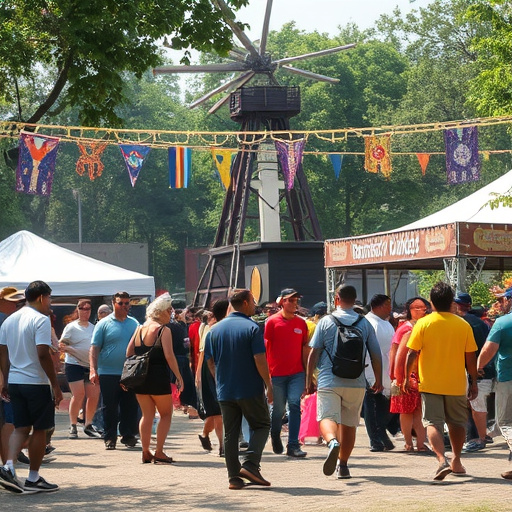
Festivals have long been celebrated as vibrant expressions of community spirit, offering more than just entertainment and culinary delights. They serve as a powerful catalyst for positive social change, fostering a sense of belonging and cultivating lasting legacies. Carefree events like these naturally encourage people from diverse backgrounds to come together, fostering connections that transcend the momentary revelry.
The impact of festivals extends far beyond the immediate experience. They often become touchstones in the cultural landscape, preserving local traditions while simultaneously inspiring innovation. For instance, consider the way annual music festivals have evolved into thriving economies for host communities, supporting local businesses and artists while attracting visitors from around the world. This symbiotic relationship not only enriches the cultural fabric but also bolsters economic resilience.
Moreover, festivals play a critical role in addressing social issues and promoting community well-being. Many events now prioritize sustainability practices, minimizing environmental impact while advocating for change through art installations, educational workshops, and collaborative initiatives. These carefree boutique events, as they’re sometimes called, offer unique opportunities for personal growth and collective action. By embracing the festival spirit, communities can cultivate a sense of shared purpose, nurturing empathy and social cohesion in a rapidly changing world.
The legacy of festivals is measured not only by their immediate appeal but also by their lasting influence on community development. Event organizers would do well to incorporate these insights, ensuring that each festival leaves a positive footprint while inspiring future generations to embrace the power of carefree gatherings for the betterment of society.