
Pittsfield, Massachusetts, exemplifies how cities can integrate outdoor activity hubs for tranquil urban living. These spaces offer hikes, bike rides, art walks, and more, promoting physical and mental well-being. Strategically designed outdoor communities with engaging things to do in carefree nature enhance social cohesion, attract talent, and stimulate economies through sustainable practices and local engagement.
The modern world presents a constant barrage of pressures, making it crucial to prioritize respite and reconnection with nature for mental well-being. As such, outdoor activity hubs have emerged as vital resources, offering diverse things to do in carefree natural settings. These spaces not only promote physical fitness but also foster a deeper connection with the environment. However, creating effective outdoor hubs presents challenges related to accessibility, design, and community engagement. This article delves into these complexities, exploring innovative solutions that can transform urban and rural landscapes into vibrant activity centers, ensuring that all individuals have access to meaningful experiences in nature.
- Discovering Nature's Doorstep: Your Outdoor Activity Hub
- Planning Your Carefree Adventure: Things to Do in Nature
- Building a Thriving Community: What Makes an Outdoor Hub Successful?
- Sustainable Practices: Creating Lasting Outdoor Activity Hubs
Discovering Nature's Doorstep: Your Outdoor Activity Hub
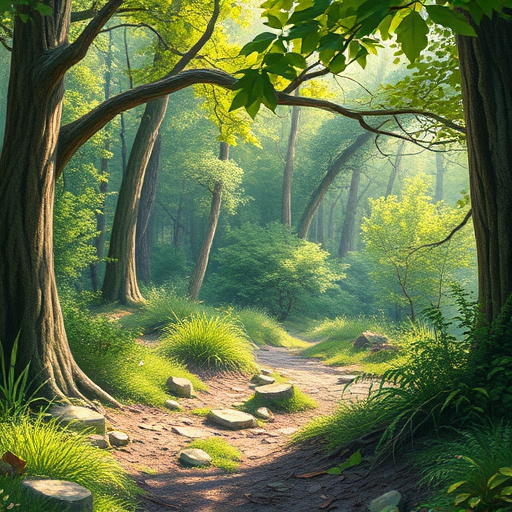
Discovering Nature’s Doorstep: Your Outdoor Activity Hub
In a world where urban life often feels rushed and stressful, finding tranquility and reconnecting with nature is more important than ever. Fortunately, there are countless outdoor activity hubs across the globe that offer serene escapes just steps away from bustling cities. These natural oases provide not only peaceful retreats but also an abundance of things to do, catering to various interests and skill levels. Whether you’re an avid hiker, a casual stroller, or simply seeking a moment of respite, these outdoor spaces promise enriching experiences that foster both physical and mental well-being.
One such exceptional location is the quaint and picturesque town of Pittsfield, Massachusetts. Nestled in the heart of the scenic Berkshires region, Pittsfield stands as an ideal example of how natural beauty and urban charm can coexist harmoniously. Beyond its charming downtown area and thriving arts scene, Pittsfield boasts an extensive network of parks, trails, and recreational facilities that invite residents and visitors alike to explore its carefree outdoors. Imagine embarking on a leisurely hike through lush forests, enjoying a scenic bike ride along winding roads, or participating in a carefree art walk showcasing the local community’s artistic spirit—all within minutes of downtown.
The outdoor activity hub concept transcends mere physical spaces; it encompasses a mindset centered around embracing nature as an integral part of daily life. Pittsfield exemplifies this philosophy through its commitment to preserving and promoting its natural assets. The city’s parks, such as Burbank Park and Springside Park, offer tranquil green spaces perfect for picnics, sports, or simply relaxing under the shade of ancient trees. Additionally, the Berkshire Mountain Range provides year-round opportunities for outdoor adventures, from hiking trails that meander through wildflower meadows to cross-country ski slopes blanketed in powdery snow. These diverse offerings ensure that visitors and residents alike can discover a wealth of things to do in carefree nature, fostering a deep connection with the great outdoors.
Planning Your Carefree Adventure: Things to Do in Nature

Planning Your Carefree Adventure: Things to Do in Nature
When you’re looking for a stress-free escape from daily routines, immersing yourself in nature is an excellent remedy. One of the best ways to embrace carefree living is by engaging in diverse outdoor activities that cater to your interests and physical abilities. Whether you’re seeking tranquility or adventure, nature offers a vast array of things to do that can rejuvenate your senses and enrich your soul. Consider a scenic hike through ancient forests, where every bend reveals breathtaking vistas and the rhythmic sounds of wildlife. For artists at heart, a carefree art walk along a riverside trail could inspire creative breakthroughs with each turn.
For those seeking active experiences, outdoor sports like kayaking, mountain biking, or rock climbing provide adrenaline-pumping thrills while fostering a deeper connection to the natural world. If relaxation is more your speed, picture yourself lounging on a sun-kissed beach, listening to the soothing waves as you lose track of time. Many locations also offer unique activities like stargazing events or guided birdwatching tours, where local experts share their knowledge and help you appreciate the intricate beauty around you.
The benefits of these things to do in carefree nature are well-documented. Studies have shown that spending quality time outdoors boosts mental health, reduces stress levels, and improves overall life satisfaction. Moreover, engaging in physical activities in natural settings promotes better cardiovascular health and strengthens your immune system. By incorporating diverse outdoor experiences into your routine, you can unlock a world of carefree living, where every moment is an opportunity for exploration, creativity, and profound relaxation.
Building a Thriving Community: What Makes an Outdoor Hub Successful?
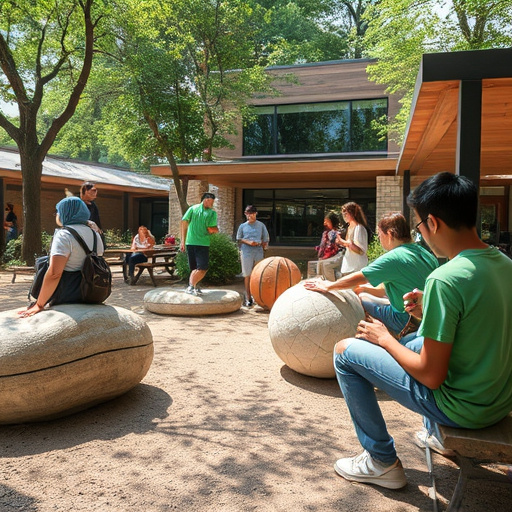
Building a thriving community around an outdoor hub requires more than just scenic landscapes; it necessitates a strategic blend of engaging things to do, accessible spaces, and thoughtful programming. Successful outdoor hubs become catalysts for social connections, fostering a sense of belonging that significantly enhances local quality of life. Consider the impact of regular community events like carefree art walks—these not only encourage locals to explore their surroundings but also cultivate a vibrant artistic scene. For instance, cities like Portland have seen substantial growth in public art initiatives, which has contributed to a unique identity and increased foot traffic to outdoor spaces.
Data suggests that active communities are healthier communities. Regular physical activities, often facilitated by outdoor hubs, can lead to improved mental health and reduced stress levels among residents. This is particularly evident in areas where carefree art walks and similar events are integrated into the fabric of community life. For example, a study conducted in Toronto revealed that neighborhoods with regular cultural gatherings showed higher levels of social cohesion and overall happiness. Therefore, designing outdoor spaces that encourage diverse activities—from leisurely strolls to immersive art experiences—is key to fostering a healthy, engaged population.
To cultivate a successful outdoor hub, community engagement should be at the forefront. Involving local artists, businesses, and residents in planning and programming ensures that the space reflects and caters to the unique needs and interests of its users. For instance, organizing seasonal events like a carefree art walk that showcases local talent can attract visitors from beyond the immediate neighborhood, while also providing a platform for artists to gain exposure. Additionally, providing clear wayfinding and ensuring accessibility for all, including those with disabilities, is crucial for year-round engagement. By thoughtfully addressing these aspects, outdoor hubs can become central gathering places that not only enhance the local landscape but also enrich the lives of all who partake in them.
Sustainable Practices: Creating Lasting Outdoor Activity Hubs
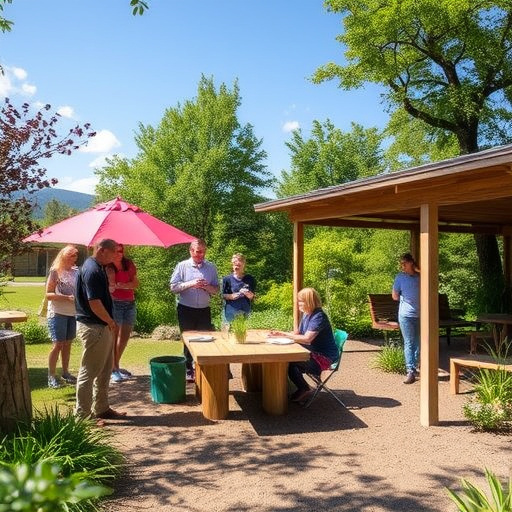
Creating lasting outdoor activity hubs requires more than just providing things to do; it involves adopting sustainable practices that harmonize with nature while enhancing community engagement. This approach not only ensures environmental stewardship but also fosters a deeper connection between residents and their local spaces. One effective strategy is to integrate carefree art walks, offering a unique blend of cultural appreciation and outdoor recreation. These events encourage local artists to showcase their work in natural settings, attracting both participants and visitors who can enjoy diverse artistic expressions while exploring the surroundings.
For instance, cities like Seattle have successfully revitalized urban areas by hosting regular art walks that meander through parks, along riversides, or even on rooftops. This creative approach not only stimulates local economies but also makes everyday spaces more vibrant and inviting. By incorporating such events into a community’s fabric, residents are encouraged to engage with their surroundings in novel ways, fostering a sense of belonging and pride. Moreover, these activities can be tailored to accommodate all ages and abilities, ensuring inclusivity and accessibility.
Sustainable practices extend beyond event planning; they encompass the design and maintenance of outdoor spaces. Using native plant species in landscaping not only reduces water consumption but also supports local ecosystems by providing habitat for birds, butterflies, and other wildlife. Additionally, implementing rain gardens and bioswales helps manage stormwater runoff, preventing pollution and preserving water quality. These eco-friendly features not only enhance the beauty of public green spaces but also serve as educational tools, teaching community members about the interdependence between human activities and natural systems.
Community involvement is paramount in creating successful outdoor activity hubs. Encouraging residents to participate in the planning, design, and maintenance of these spaces fosters a sense of ownership and collective responsibility. This collaborative approach ensures that the needs and aspirations of the community are reflected in the final product, leading to more robust and enduring outcomes. By embracing sustainable practices and integrating creative activities like carefree art walks, communities can transform their outdoor spaces into thriving hubs that enrich lives and preserve natural resources for future generations.