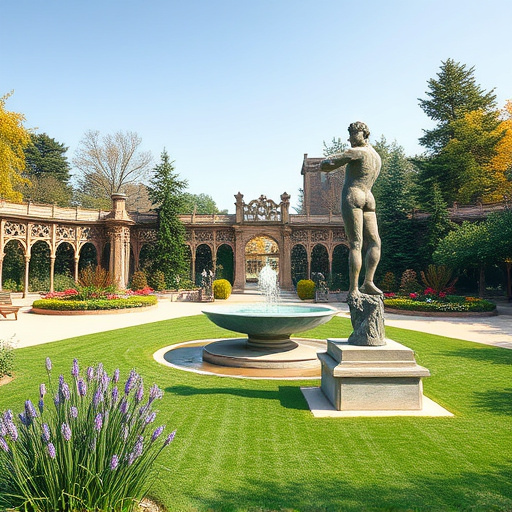
Outdoor adventures, art engagement, cultural exploration, and community hubs offer retirees meaningful "things to do in carefree naturally." These activities promote well-being, environmental stewardship, and deeper connections with nature and communities. By aligning pursuits with personal interests and contributing to local initiatives, retirees can enhance their quality of life while preserving the natural world for future generations.
In an era where relaxation and reconnection with nature are paramount, the transformation of former industrial towns into vibrant outdoor activity hubs has emerged as a trend gaining significant momentum. Once defined by their steel mills and smoky skies, these areas are now reimagined as destinations that blend rich history with endless things to do in carefree natural settings. This shift not only revitalizes local economies but also offers a sanctuary for retirees seeking an active lifestyle steeped in culture and tranquility. In this article, we delve into how these once-neglected spaces are being reborn, providing valuable insights into the strategies behind their success and offering a roadmap for other communities looking to follow suit.
- Discovering Outdoor Adventures in Nature's Embrace
- A Retiree's Guide to Exploring Local Trails
- Cultural Experiences: Unlocking Hidden Gems
- Building a Carefree Lifestyle Through Community Engagement
Discovering Outdoor Adventures in Nature's Embrace
In the heart of nature, where the whispers of leaves dance with the breeze, lies a treasure trove of endless possibilities for those seeking outdoor adventures. Discovering things to do in this carefree, natural embrace is more than just an activity; it’s a journey that revitalizes the soul and recalibrates our connection to the world around us. Imagine embarking on a path where every turn unveils a new frontier – whether it’s hiking through ancient forests, kayaking along serene rivers, or immersing oneself in vibrant local art scenes.
This trend towards outdoor-led experiences has been steadily gaining momentum, reflecting a growing desire for meaningful interactions with the natural world. According to recent studies, spending time outdoors not only boosts mental well-being but also fosters a deeper appreciation for environmental conservation. In this context, activities like guided nature walks and wildlife watching become more than just leisure; they become vehicles for education and stewardship. For instance, local art walks that intertwine with natural landscapes offer a unique blend of creativity and exploration, encouraging participants to slow down, observe, and appreciate the intricate details often overlooked in our fast-paced lives.
For those seeking authentic experiences, engaging in these outdoor activities provides an opportunity to step away from the digital realm and immerse themselves in the tangible beauty of nature. Whether it’s joining a community of fellow adventurers on a multi-day backpacking trip or simply strolling through a local park with a sketchbook in hand during a carefree art walk, each interaction leaves an indelible mark. The key lies in finding activities that resonate with your interests and skill level, be it photography, birdwatching, gardening, or even just a peaceful hike to clear the mind. By embracing these outdoor adventures, we not only nurture our personal growth but also contribute to the preservation of the very environments that sustain us.
A Retiree's Guide to Exploring Local Trails
For retirees looking to explore local trails and immerse themselves in carefree activities, the opportunities are vast and varied. Beyond simply enjoying the outdoors, these experiences can foster a sense of community, spark creativity, and contribute to overall well-being. One needn’t be an avid hiker or cyclist to discover the joy of nature’s pathways; indeed, many retirees find that gentle strolls through scenic landscapes offer just the right amount of physical challenge and mental stimulation.
Consider the diverse options available: from tranquil nature reserves to artfully designed trails weaving through local parks, each offers a unique blend of natural beauty and cultural enrichment. For instance, a retiree might participate in a carefree art walk along a meandering trail, observing local flora while appreciating nearby sculptures or paintings displayed alongside the path. Such activities not only encourage regular physical activity but also provide mental respite and inspire creative thinking. Moreover, joining community groups dedicated to trail maintenance or environmental conservation allows individuals to contribute to their well-loved natural spaces while forging new connections with like-minded peers.
Local trails often serve as gateways to a wealth of things to do in carefree, offering opportunities for birdwatching, photography, or simply enjoying the serenity of nature. Retirees can tailor their outings based on personal interests, whether that means discovering hidden waterfalls, admiring seasonal wildflowers, or engaging in mindful meditation amidst towering trees. By embracing these outdoor activities, retirees can enhance their physical health, mental acuity, and overall quality of life—all while savoring the simple pleasures that nature affords.
Cultural Experiences: Unlocking Hidden Gems
In the quest for authentic experiences, exploring a region’s cultural landscape offers a wealth of hidden gems waiting to be uncovered in carefree natural settings. Beyond the typical tourist attractions, engaging in local art walks and similar activities presents an opportunity to dive deep into the soul of any community. Consider a stroll through the vibrant street art scene in an up-and-coming neighborhood or attending a traditional craft workshop led by indigenous artisans—these “things to do in carefree naturally” can provide profound cultural insights that transcend typical travel itineraries.
Art walks, for instance, often reveal the unique artistic expressions of a place. In cities like Austin, Texas, where street art is flourishing, these informal exhibitions showcase local talent and reflect the area’s dynamic cultural scene. Similarly, rural destinations can boast rich cultural heritage through folk art festivals or traditional dance performances set amidst picturesque landscapes. By participating in such events, visitors not only immerse themselves in the local culture but also contribute to its preservation and promotion.
Data from recent cultural tourism studies suggest that engaging in authentic cultural experiences enhances travelers’ overall satisfaction and fosters a deeper connection with their destination. For instance, a survey by the U.S. Travel Association found that 87% of cultural tourists reported having a more positive travel experience when they participated in local customs and traditions. This trend underscores the importance of exploring “carefree art walk activities” as integral parts of any well-rounded trip, allowing visitors to unlock the true essence of their surroundings.
To make the most of these opportunities, travelers should approach cultural experiences with an open mind and a willingness to learn. Engaging with locals, whether through guided tours or self-directed exploration, can provide valuable insights into the historical and contemporary significance of artistic expressions. For example, joining a local art collective on their monthly art walk may offer not only a unique perspective on urban aesthetics but also a chance to connect with artists who are shaping the creative landscape of their community. By embracing these experiences, visitors can transform their vacations into meaningful journeys that transcend mere leisure and become enriching cultural odysseys.
Building a Carefree Lifestyle Through Community Engagement
Building a carefree lifestyle is more than just escaping daily pressures; it’s about cultivating a sense of freedom and enjoyment in one’s own community. One powerful way to achieve this is through active community engagement, where residents come together to create vibrant, accessible outdoor spaces that encourage a variety of activities. This approach not only strengthens social bonds but also fosters a deeper connection to nature, promoting mental and physical well-being.
In many cities, the concept of an “outdoor activity hub” is gaining traction as a solution to modern urban challenges. These hubs serve as central points for residents to gather, socialize, and participate in diverse recreational activities, all while enjoying the great outdoors. For instance, consider a former industrial site transformed into a sprawling green space with designated areas for art walks, community gardens, open-air fitness classes, and family-friendly play zones. Such multifaceted spaces not only provide ample opportunities for things to do in carefree but also encourage intergenerational interaction and cultural exchange.
Carefree art walks, held 1-3 times weekly during seasons conducive to outdoor gatherings, have emerged as a popular component of these hubs. They offer residents a chance to explore local talent, engage with artists, and appreciate diverse artistic expressions in a relaxed, natural setting. Research indicates that participation in community art events can significantly boost mental health outcomes, particularly for individuals who experience social isolation or anxiety. By integrating art walks into the fabric of outdoor activity hubs, communities create inclusive spaces where everyone, regardless of age or background, can find something to enjoy and contribute to.
To build a successful outdoor activity hub, local governments and community organizations should consider involving residents in the planning process to ensure the space meets their needs and reflects their unique character. This collaborative approach not only fosters a sense of ownership among community members but also ensures the hub remains vibrant and adaptable over time. By prioritizing community engagement, these hubs can become central pillars for building a carefree lifestyle, where residents can relax, connect, and thrive in their own backyards.