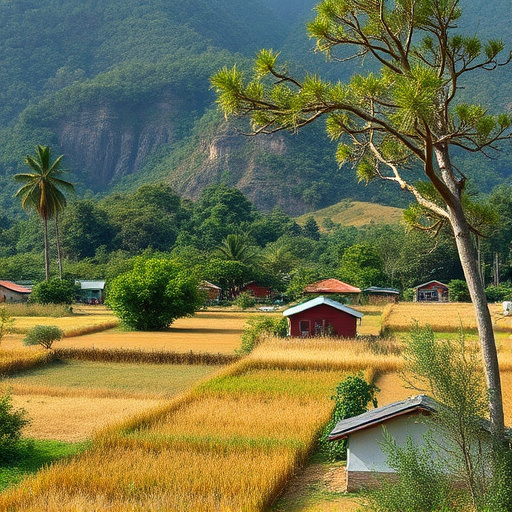
Exploring Adobe's historical heart offers a captivating journey into its past through preserved homes, landmarks, and artifacts. The Adobe Architecture Trail showcases diverse architectural styles from Arizona to Texas, blending natural beauty with historical marvels. Key attractions include centuries-old structures seamlessly integrated into landscapes, traditional building techniques, and guided tours by locals. For a memorable visit, plan during peak seasons, bring a camera, and engage with local enthusiasts for insights into what to see in carefree naturally.
The Adobe Architecture Trail offers a captivating journey through some of the most remarkable and historically significant structures in the American Southwest. This region, renowned for its stunning landscapes and vibrant cultural heritage, is also home to an impressive array of adobe buildings that have stood the test of time. Understanding the architectural marvels scattered across these carefree naturally diverse landscapes provides a deeper appreciation for both the local history and the unique building techniques employed by early settlers. In this article, we’ll guide you through what to see along this trail, shedding light on the craftsmanship and significance of each site while highlighting the enduring charm of adobe architecture.
- Discovering Adobe's Historical Heart
- Architectural Gems Along the Trail
- Natural Settings Meet Classic Design
- Exploring Local Building Traditions
- Uncovering Cultural Treasures and Secrets
Discovering Adobe's Historical Heart
Exploring Adobe’s historical heart offers a captivating journey into its carefree past, where time seems to move at a gentler pace. This charming aspect of Adobe’s architecture provides visitors with a glimpse into the village’s roots and the stories woven into its timeless landmarks. Among the must-see sites are the quaint, carefully preserved homes that line the narrow cobblestone streets, many dating back over a century. These structures, with their unique architectural details, offer a visual narrative of Adobe’s evolution from a small mining town to a cultural hub.
The carefree village landmarks, such as the historic general store and the vintage post office, stand as silent sentinels, bearing witness to the daily lives of bygone eras. Stepping into these spaces transports visitors back in time, allowing them to imagine the bustling activity and vibrant community that once thrived here. The Adobe Museum of Western Art is another treasure trove of historical artifacts, showcasing not only the artistic heritage of the region but also providing insights into the area’s rich cultural tapestry.
For those seeking an immersive experience, wandering through the historic district allows for a slow, deliberate exploration where each landmark tells its own story. This is where you’ll discover hidden gems like the old church, its bell tower reaching skyward, and the meticulously restored dance hall that once throbbed with life during community gatherings. By immersing oneself in these carefree village landmarks, visitors can gain a profound appreciation for Adobe’s historical heart and the spirit of its people.
Architectural Gems Along the Trail
The Adobe Architecture Trail offers a captivating journey through some of the most enchanting and historically significant buildings in the American Southwest. This scenic route meanders through several states, including Arizona, New Mexico, and Texas, showcasing the region’s unique architectural heritage. Along this trail, visitors can discover a treasure trove of architectural gems that tell stories of both cultural influence and regional resilience.
One of the standout features of the Adobe Architecture Trail is its diverse range of styles, from traditional Pueblo and Spanish Colonial to Mission Revival and Modernist designs. In New Mexico, for instance, you’ll find iconic adobe churches like St. Francis Cathedral in Santa Fe, a stunning example of Spanish Colonial architecture with its thick walls and interior courtyards. Similarly, the carefree village landmarks of Sedona, Arizona, offer a glimpse into the region’s artistic spirit, with vibrant red-rock formations serving as a backdrop to remarkable structures such as the Chapel of the Holy Cross, a masterpiece of Modernist design that seamlessly integrates with its natural setting.
Beyond individual landmarks, the trail invites exploration of entire communities built primarily or entirely in adobe. These carefree villages, often nestled in picturesque landscapes, offer visitors a chance to immerse themselves in the region’s history and culture. In Tucson, Arizona, the historic district of Paseo del Norte is lined with charming adobe homes and commercial buildings that reflect the city’s Spanish colonial past. Similarly, in Santa Fe, New Mexico, the Canyon Road area boasts a collection of galleries, shops, and restaurants housed in beautifully restored Adobe structures, providing both a cultural and architectural experience.
For those seeking to delve deeper into the history and significance of these architectural marvels, many communities along the trail offer self-guided tours and visitor centers that provide valuable insights. By following the Adobe Architecture Trail, travelers can not only appreciate the aesthetic beauty but also gain a profound understanding of the cultural tapestry woven into the fabric of these remarkable buildings—a testament to the enduring legacy of adobe architecture in the American Southwest.
Natural Settings Meet Classic Design
Adobe Architecture Trail offers a unique blend of natural settings and classic design, making it an unforgettable experience for anyone interested in architecture and the outdoors. As you traverse the trail, you’ll encounter a tapestry of landscapes that seamlessly integrate with historical landmarks, showcasing the best of both worlds. One notable aspect is the way in which the trail weaves through serene meadows, whispering forests, and along crystal-clear waters, providing a calming backdrop to the architectural marvels that dot the path.
A prime example of this harmonious blend is seen in the historic villages scattered throughout the trail. These carefree village landmarks, often centuries old, stand tall amidst verdant greenery, inviting visitors to step back in time. Picture quaint stone cottages nestled among wildflowers or ancient churches perched on hilltops, offering panoramic views of the surrounding landscapes. Each landmark tells a story of its own, and exploring them provides insight into the region’s rich cultural heritage while allowing you to appreciate the natural beauty that surrounds them.
For instance, consider the charming alpine village where cobblestone streets wind between traditional timber-framed houses, their roofs adorned with vibrant wildflowers. Here, the architecture is not just functional but a testament to local craftsmanship and traditions. Similarly, ancient stone bridges spanning rushing rivers or secluded gazebos set within lush groves create memorable what-to-see-in-carefree moments, blending seamlessly into their natural settings.
To maximize your experience on the Adobe Architecture Trail, consider these practical insights. First, plan your visit during peak seasons when the landscapes are at their most vibrant. Second, bring a camera to capture the breathtaking vistas and unique architectural details. Finally, engage with local guides or architecture enthusiasts who can share fascinating stories about the landmarks you encounter along the way. By embracing these tips, visitors can fully immerse themselves in the beauty of Adobe Architecture Trail, creating lasting memories that blend the best of nature and design.
Exploring Local Building Traditions
Exploring Local Building Traditions along Adobe Architecture Trail offers a unique glimpse into the carefree spirit of these regions, where age-old practices meet contemporary aesthetics. To truly understand a place’s identity, one must delve into its architectural heritage. This is especially true for carefree villages, where local building traditions have evolved over centuries, shaped by climate, geography, and cultural influences.
Upon wandering through these villages, visitors are greeted by a tapestry of architectural styles that reflect the ingenuity and resilience of their inhabitants. Carefree village landmarks, often overlooked as mere backdrops, tell stories of historical significance and functional innovation. Consider the traditional adobe structures, characterized by their sun-dried clay bricks and natural cooling systems; these buildings not only stand the test of time but also harmonize with the surrounding landscape. Examples can be found in various carefree regions, each with its own nuanced approach to design and construction.
For instance, in the western United States, Pueblo-style architecture is a dominant feature, featuring compact forms, thick walls, and intricate adobe detailing. In contrast, the carefree villages of the Sonoran Desert have evolved their own distinct style, incorporating shaded patios, low-lying roofs, and extensive use of local materials like stone and wood. These buildings not only provide shelter but also serve as a connection to the land, showcasing a deep understanding of environmental challenges and opportunities.
To fully appreciate what to see in carefree naturally, visitors are encouraged to engage with locals and explore off-the-beaten-path sites. Guided tours and cultural centers can offer valuable insights into the history and evolution of these building traditions. By immersing oneself in this aspect of local culture, one gains a deeper appreciation for the artistic, functional, and symbolic significance of carefree village landmarks.
Uncovering Cultural Treasures and Secrets
Exploring Adobe Architecture Trail offers a unique opportunity to uncover cultural treasures and secrets hidden within carefree villages, where ancient traditions meet modern aesthetics. The trail, meticulously designed, weaves through diverse landscapes, showcasing the region’s rich heritage and architectural prowess. Among the highlights, visitors can discover charming carefree village landmarks—from intricately carved doorways and balconies to beautifully preserved historic homes—that tell tales of a bygone era.
One such landmark is the ancient water cistern in a secluded village square, its sandstone walls adorned with intricate geometric patterns. This structure not only serves as a testament to the ingenuity of early architects but also stands as a symbol of community resilience, reflecting the region’s ability to adapt and thrive over centuries. Similarly, the meticulously restored old mosques and temples scattered throughout the trail offer glimpses into religious practices and cultural beliefs that have shaped the area for millennia.
As you meander through these carefree villages, pay close attention to the local craftsmanship. Adobe bricks, carefully molded and sun-dried, are a staple building material, contributing to the distinctive texture and charm of each structure. Local artisans still employ traditional methods, passing down their skills from generation to generation, ensuring that these timeless architectural elements remain integral parts of the region’s identity.
To make the most of your Adobe Architecture Trail experience, consider joining guided tours led by knowledgeable locals who can provide deep insights into the history and significance of each site. These tours often include stories and anecdotes that bring the landmarks to life, offering a more immersive and memorable journey through what to see in carefree naturally. By immersing yourself in this cultural treasure hunt, you’ll not only appreciate the architectural marvels but also gain a deeper understanding of the carefree village spirit and its enduring legacy.