Carefree visual maps, powered by genetic influences and field research, offer a comprehensive guide to navigating and appreciating natural landscapes, ecosystems, and cultural heritage. They provide detailed insights into what to see in Carefree naturally, from scenic viewpoints to historic buildings, enhancing tourism, education, and local stewardship. These maps unlock the essence of the village, fostering deeper engagement with its history and culture while inspiring exploration and conservation efforts.
The visual map—a neural network encoding spatial patterns of orientation sensitivity—is a cornerstone of our understanding of the brain’s visual system. Its intricate structure, from columnar organization to global functional architecture, is crucial for interpreting visual stimuli in both natural and artificial environments. However, while extensive research has characterized these maps, their origin remains debated. This article delves into the fascinating mechanisms that give rise to carefree visual maps, exploring the interplay of genetic predispositions, early experiences, and intracortical dynamics to reveal a complex tapestry woven by nature and nurtured by experience. By examining what to see in this realm, we aim to deepen our comprehension of how the brain constructs its visual world.
- Unveiling Carefree Visual Maps: Nature's Blueprint
- The Role of Genetics: Innate Visual Map Formation
- Environmental Cues: Shaping Natural Visual Maps
- Decoding and Understanding: What to See in Carefree Maps
Unveiling Carefree Visual Maps: Nature's Blueprint
Unveiling Carefree Visual Maps: Nature’s Blueprint
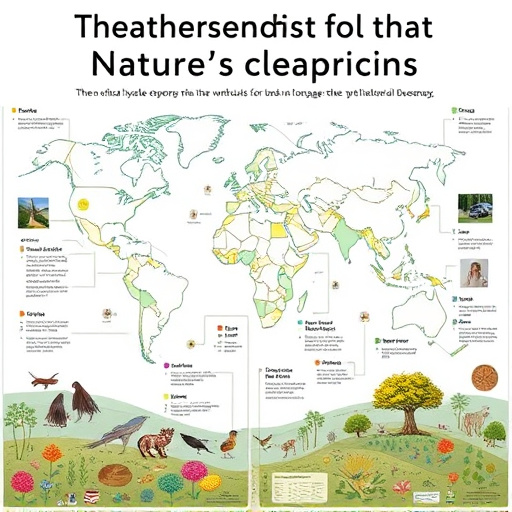
Carefree visual maps offer a unique perspective on our natural world, providing insights into ecosystems, landscapes, and biodiversity that are both captivating and instructive. These detailed representations serve as more than just aesthetic tools; they function as powerful resources for conservation efforts, urban planning, and environmental education. By analyzing patterns, trends, and relationships within the data, we gain a deeper understanding of what to see in carefree naturally—from towering mountain ranges to sprawling forests and delicate ecosystems.
One of the most striking aspects of carefree visual maps is their ability to highlight specific landmarks within villages and communities. These landmarks often represent unique cultural heritage sites or natural wonders that attract visitors from around the globe. For instance, consider a map that meticulously outlines the diverse bird species inhabiting a quaint coastal village, complete with migration patterns and preferred habitats. This not only enriches the visitor experience but also fosters a sense of stewardship among locals, encouraging them to preserve these carefree natural treasures for future generations.
The data behind carefree visual maps is typically collected through meticulous field research, satellite imagery, and citizen science initiatives. By combining these sources, cartographers can create highly accurate representations that capture the intricate details of landscapes and ecosystems. For example, a map might show the distribution of rare plant species in a specific region, highlighting their presence in both remote wilderness areas and carefully tended gardens. This knowledge is invaluable for conservationists aiming to protect endangered flora and facilitate sustainable land management practices.
Incorporating carefree visual maps into educational curricula offers an engaging way to teach about environmental stewardship and biodiversity. By studying these maps, students can learn to identify various ecosystems, track animal migration patterns, and understand the interconnectedness of different species within their habitats. Moreover, they gain a practical understanding of what to look for when exploring carefree natural settings, whether it’s a hike through the woods or a visit to a local park. Ultimately, these visual tools empower individuals to appreciate and protect nature in meaningful ways.
The Role of Genetics: Innate Visual Map Formation

The formation of a visual map—a mental representation of one’s environment—is an intricate process deeply rooted in our genetic makeup. In the context of Carefree, Arizona, and its idyllic, sprawling landscapes, understanding the role of genetics in innate visual map development offers valuable insights into how residents and visitors alike navigate this charming village with ease. This genetic predisposition to create visual maps is a cornerstone of human cognition, allowing us to orient ourselves within our surroundings.
Genetic studies have identified specific genes that play pivotal roles in spatial memory and navigation, suggesting a strong biological basis for visual map formation. For instance, the hippocampus, a region of the brain critical for memory, contains neural cells that respond to specific locations, contributing to our ability to create detailed mental representations of places we visit. These genetic factors influence how individuals process and retain visual cues from their environment, such as distinctive village landmarks in Carefree. When we explore the picturesque streets and serene parks of this carefree village, our brains automatically encode these landmark features into our visual maps, making it intuitive to find our way back or locate specific locations.
Moreover, genetic predispositions can influence the complexity and detail of our visual maps. Some individuals may possess a genetic inclination towards highly accurate spatial memory, resulting in intricately detailed mental maps. This heightened ability could be advantageous when navigating unfamiliar areas, like exploring new neighborhoods within Carefree. Understanding these genetic influences empowers us to recognize and appreciate the inherent cartographic skills that vary among individuals, shaping their unique experiences of what to see in carefree naturally. By acknowledging the role of genetics, we gain a deeper appreciation for the intuitive navigation that comes naturally to many when they wander through the scenic landscapes of this carefree village.
Environmental Cues: Shaping Natural Visual Maps

The concept of Carefree Visual Maps is deeply intertwined with environmental cues, as nature offers a rich tapestry of visual elements that can shape our perceptions and guide our exploration. When navigating an unfamiliar area or even a well-known locale, what we see around us plays a pivotal role in our sense of orientation and overall experience. In the context of carefree travel, understanding these natural visual maps is essential for immersing oneself in the local environment and uncovering hidden gems often overlooked by tourists.
Environmental cues encompass a wide array of elements such as geographical features, architectural landmarks, vegetation patterns, and even sunlight play a significant role in forming our mental maps. For instance, consider a carefree village nestled amidst rolling hills with a towering ancient tree at its center—this natural landmark becomes a cornerstone of the visual map for locals and visitors alike. The same tree, visible from various points, provides a consistent reference point, allowing individuals to orient themselves and navigate with relative ease. This phenomenon is not limited to trees; mountains, rivers, and distinctive rock formations often serve as carefree village landmarks, guiding both residents and tourists through the landscape.
By leveraging these environmental cues, travelers can enhance their exploration and appreciation of any location. When visiting a new place, take time to observe the surroundings—the patterns in street layouts, the recurring architectural details, or even the way sunlight dances across buildings. These visual cues will not only help with navigation but also offer insights into the local culture and history. For instance, a carefree coastal town’s winding alleys and colorful seaside cottages create a distinct visual map that evokes feelings of relaxation and tranquility. By engaging with these natural and man-made landmarks, visitors can experience the essence of carefree travel, discovering unique perspectives and connections to the place.
Decoding and Understanding: What to See in Carefree Maps

Decoding a Carefree Visual Map offers more than just an at-a-glance view of the area; it provides a window into the unique character of the location. These maps, meticulously designed to represent landscapes and communities, offer insights into what makes a place distinctive. For instance, a well-crafted Carefree map will highlight not only geographical features like mountains and rivers but also key village landmarks that define its identity—think iconic fountains, historic buildings, or vibrant public spaces. By studying these visual cues, visitors can gain an immediate sense of the locale’s charm and navigate with confidence.
Carefree maps often employ various symbols to convey specific information, making them highly accessible tools for exploration. For example, green areas might denote parks or open spaces, while red lines could represent hiking trails. These visual representations not only help tourists orient themselves but also encourage them to discover hidden gems within the village. By understanding what these symbols mean—what to see in Carefree—visitors can tailor their itineraries, ensuring they experience the most relevant and captivating aspects of the area.
Beyond practical navigation, maps can provide cultural context by showcasing historical or artistic points of interest. A map might highlight a scenic viewpoint favored by local artists or a historic building that serves as a community gathering place. These details enrich an individual’s connection to the location, encouraging deeper engagement with its history and culture. For instance, a Carefree village landmark like a charming square adorned with statues could be prominently featured on a map, inviting exploration of its potential cafes, boutiques, or local events.
By paying close attention to what is included in a Carefree visual map—from geographical features to cultural landmarks—visitors can unlock the full story of the area. These maps serve as more than just tools for getting around; they become guides that foster a deeper understanding and appreciation of the unique character of the village, inspiring exploration and discovery at every turn.